
Blog > What's the Smartest Way to Buy a Home in Maricopa AZ?
What's the Smartest Way to Buy a Home in Maricopa AZ?
If you're exploring homes in Maricopa, Arizona (Pinal County)—not Maricopa County—you're in the right place. This local buyer's guide covers commute realities, HOA norms, utilities, and the step-by-step path from accepted offer to keys. Since 2002, Realtor® James Sanson has guided thousands of sales with hundreds of five-star reviews*. Here's how to shop with confidence and close smoothly.
Fast resources: Market Snapshot · Maricopa Real Estate Agents · Free Home Evaluation · Mortgage Calculator · Join Our Network
Table of Contents
LOCAL INSIGHT: Buyers often shortlist homes in multiple HOA communities before deciding. Use the links below to jump to the sections that matter most right now.
Why Maricopa (Pinal County) Draws Phoenix Buyers
LOCAL INSIGHT: Many residents choose Maricopa for suburban value plus access to Phoenix jobs. Commute times in off-peak hours can be around 35 minutes depending on origin, route, and traffic patterns*.
Maricopa offers newer planned communities, parks, multi-use paths, and lakeside amenities at a price point that often compares favorably with many Phoenix and East Valley options. We regularly meet Phoenix-area families who relocate for space, newer construction, and neighborhood amenities while maintaining reasonable access to metro employers. Bottom line: You get more square footage and newer builds without completely disconnecting from the Valley's job centers.
For current market data and pricing trends, check the live Maricopa Market Snapshot.
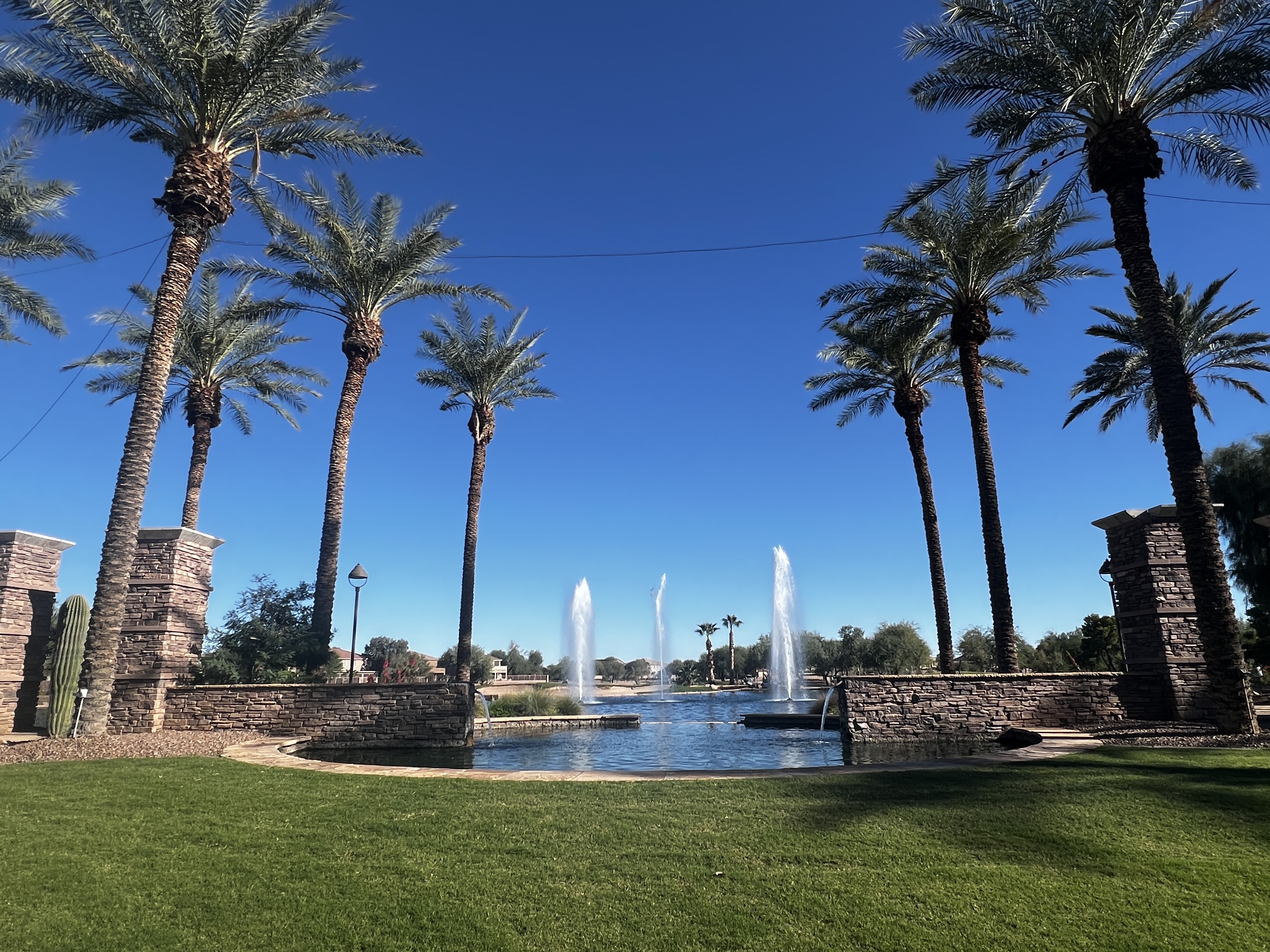
Weekend sunrise along the water in Rancho El Dorado—a lifestyle many Phoenix buyers seek.
Which Maricopa Neighborhoods Should I Consider First?
LOCAL INSIGHT: Tour days often include two or three HOA communities back-to-back. Compare lifestyle, amenities, and dues side-by-side to find your best fit.
Rancho El Dorado & The Villages
Known for golf-adjacent living and lakeside walks, The Villages at Rancho El Dorado and nearby Lakes at Rancho El Dorado blend recreation and convenience. Many buyers also explore Cobblestone Farms for its parks and welcoming entry corridors. Key takeaway: These neighborhoods offer established amenities and strong community feel.
Province (55+ Active Adult)
Province offers gated entries, clubhouse activities, and social calendars that support a low-maintenance lifestyle. Seniors appreciate single-level floor plans, lock-and-leave convenience, and planned activities that make meeting neighbors effortless. Emotional reassurance matters here: You're buying into a community designed specifically for your stage of life.
Tortosa & The Trails at Tortosa
Tortosa and The Trails at Tortosa feature a range of newer builds and community parks. Compare these with Glennwilde, Sorrento, and Desert Passage to see which amenity package and architectural style fits your vision.
More Communities to Add to Your Tour Map
Depending on your price range and HOA preferences, also consider: Acacia Crossings, Maricopa Meadows, Alterra, Anderson Farms, Desert Cedars, Senita, Santa Rosa Springs, and Rancho Mirage.
Section recap: Start with 2-3 communities that match your lifestyle priorities, then expand your search based on what you learn during tours.
How Do HOAs Work in Maricopa?
LOCAL INSIGHT: Many homes here are in HOA-managed communities. Expect community rules (CC&Rs), architectural review processes, and transfer or setup fees at closing. Your agent will help you review the HOA disclosure packet thoroughly.
HOAs maintain common areas and amenities while setting standards for exterior modifications. Budget health, reserve funds, and any upcoming special assessments are key parts of your due diligence. When you receive the disclosure packet, you'll typically have a set review period (often 5-10 days) to decide if the rules and fees match your lifestyle.
What to look for in HOA documents:
- Monthly or annual dues: Factor this into your housing budget
- Reserve study: Confirms the HOA has funds for major repairs
- CC&Rs: Rules on pets, vehicles, exterior changes, rentals
- Meeting minutes: Reveals ongoing issues or planned projects
- Transfer fees: One-time cost at closing (usually $200-$500)
Compare HOA communities side-by-side as you browse: Cobblestone Farms, Villages at Rancho El Dorado, Province (55+), and Tortosa.
Section recap: HOAs provide maintained amenities and community standards—just verify the financial health and rules align with your plans before committing.
What Utilities Will I Need to Set Up?
LOCAL INSIGHT: Local service commonly includes Electrical District No. 3 (ED3) for power, Global Water for water/wastewater, and Southwest Gas for natural gas*. Always verify providers for your specific address.
Your agent can help you time utility transfers so services are active on day one. A quick pre-closing checklist:
- Electricity: Contact ED3 to schedule service start
- Water/Sewer: Arrange through Global Water (some areas may differ)
- Natural Gas: Set up with Southwest Gas if applicable
- Trash/Recycling: Often included in HOA dues; verify with HOA
- Internet/Cable: Research providers; speeds vary by neighborhood
- HOA Access: Obtain gate codes, pool keys, community credentials
Planning your payment? Test different down payment and rate scenarios with the Maricopa Mortgage Calculator. If you'd like pre-approval options, see a respected City of Maricopa Mortgage Lender.
Section recap: Utilities are straightforward in Maricopa—just confirm providers early and schedule transfers to avoid gaps.
What Happens From Contract to Keys?
LOCAL INSIGHT: The escrow period for financed purchases often runs about 30-45 days, with a 10-day inspection window early in the process. Here's what to expect week by week.
Week 1: Open Escrow & Schedule Inspections
After your offer is accepted, your agent opens escrow with a neutral title company and deposits your earnest money (typically 1-3% of purchase price). Inspections get scheduled immediately—general home inspection, roof/HVAC as needed, plus the Arizona WDIIR (Wood Destroying Insect Inspection Report), commonly called a termite inspection. You'll also receive the Arizona REALTORS® Buyer Advisory to guide your research on zoning, environmental factors, and transportation considerations.
Week 2: Review Reports & Submit Repair Requests
Once inspection reports arrive, discuss priorities with your agent—focus on health, safety, and major systems (roof, HVAC, plumbing, electrical, foundation). In Arizona, repair requests are made using the BINSR (Buyer's Inspection Notice and Seller's Response) form. Simultaneously, your lender orders the appraisal to confirm the property's market value supports your loan amount.
Week 3: Underwriting & Title Work
The lender reviews your income documentation, asset statements, and the appraisal report. Title completes its search to verify clear ownership and identify any liens or encumbrances. If the property is in an HOA, you'll receive the full HOA disclosure packet during this period—review it carefully within your allotted timeframe (typically 5-10 days).
Week 4: Clear to Close & Final Walkthrough
Look for your Closing Disclosure (CD) at least three business days before signing—this replaces the old HUD-1 settlement statement and shows your final loan terms and closing costs. Schedule a final walkthrough within 24-48 hours of closing to verify agreed repairs were completed and the property is in expected condition. Funds are wired to escrow, you sign documents at the title company (or remotely if arranged), then the deed records with the county—that's when you officially become the owner.

30-Day Escrow Timeline at a Glance
| Phase | Key Milestones | Typical Days | Who's Involved |
|---|---|---|---|
| Week 1 | Open escrow, deposit earnest money, schedule inspections (including WDIIR) | 1-10 | Buyer, Buyer's Agent, Inspector, Title/Escrow |
| Week 2 | Review reports, submit BINSR, lender orders appraisal | 10-17 | Buyer, Both Agents, Lender, Appraiser |
| Week 3 | Underwriting review, title search, HOA packet review | 18-24 | Lender/Underwriter, Title Company, Buyer |
| Week 4 | Receive CD (3-day review), final walkthrough, sign documents, record deed | 25-30 | Buyer, Buyer's Agent, Lender, Title/Escrow |
Want a human guide through each step? Connect with a local agent or browse homes in Cobblestone Farms, Villages at Rancho El Dorado, or Province to start shaping your plan.
Section recap: Escrow follows a predictable timeline—inspections first, underwriting mid-process, then final review and signing before you get keys.
What Happens If the Appraisal Comes in Low?
LOCAL INSIGHT: If an appraisal comes in below the agreed purchase price, you have several options—renegotiate, bring additional cash to close the gap, meet the seller halfway, or potentially cancel per your contract's appraisal contingency terms.
A prepared buyer's agent shares relevant comparable sales (comps) and documented property improvements with the appraiser to support value. If the appraisal still falls short, your lender can request a reconsideration of value (ROV) with additional market data, recent sales, or correction of factual errors in the original report.
How appraisal reconsiderations work:
- Your agent or lender submits new comparable sales data
- The appraiser reviews and may adjust the value upward
- If no change, you return to negotiation or contract options
- Timeline adds 5-10 days to your closing schedule
Every decision should align with your financial comfort and long-term goals. Run different affordability scenarios anytime with the Maricopa Mortgage Calculator, and explore pre-approval through a trusted local lender option.
Section recap: Low appraisals happen—your agent and lender have tools to challenge them, or you can renegotiate terms that work for your budget.
Frequently Asked Questions
LOCAL INSIGHT: Common buyer questions center on county location, commute logistics, HOA management, and utility providers.
Is Maricopa in Maricopa County?
No. The City of Maricopa is located in Pinal County, Arizona—not Maricopa County. This is a common point of confusion when searching online, so verify that listings you save are in the correct city and county.
How long does the typical home purchase closing take?
Financed purchases commonly close in about 30-45 days, allowing time for inspections (including the WDIIR termite report), appraisal, underwriting, and required disclosure reviews. Cash purchases can be significantly faster since there's no lender approval process—often 14-21 days.
Do most Maricopa homes have HOAs?
Yes, many planned communities in Maricopa are HOA-managed. Review the CC&Rs (Covenants, Conditions & Restrictions), monthly or annual dues, reserve study, and any pending special assessments to ensure a comfortable fit with your lifestyle and budget.
Who are the main utility providers in Maricopa?
Common providers include Electrical District No. 3 (ED3) for electricity, Global Water for water and wastewater services, and Southwest Gas for natural gas*. Always verify specific providers by property address, as some areas may differ.
What's the commute like from Maricopa to Phoenix?
During off-peak hours, commute times to central Phoenix are typically around 35 minutes*, though this varies by destination, route (AZ-347 is primary), and traffic patterns. Morning and evening rush hours can extend travel time significantly, so test your specific commute before committing.
Which neighborhoods should I compare first?
Popular starting points include Villages at Rancho El Dorado (lakeside living), Cobblestone Farms (parks and trails), Province (55+ active adult), and Tortosa (newer builds). Tour 2-3 communities to compare amenities, HOA dues, and neighborhood feel.
Can I tour homes remotely or buy without visiting Maricopa?
Yes, many buyers use video tours, FaceTime walkthroughs, and detailed photos when relocating from out of state. Your agent can coordinate virtual showings and provide neighborhood context. However, an in-person visit before finalizing your offer is recommended when possible to verify commute routes, assess noise levels, and experience the community firsthand.
What closing costs should I budget for?
Typical buyer closing costs in Arizona range from 2-5% of the purchase price and include lender fees, title insurance, escrow fees, appraisal, home inspection, WDIIR (termite) report, recording fees, prepaid property taxes, homeowners insurance, and HOA transfer fees. Your lender will provide a Loan Estimate within three days of application showing detailed costs.
How competitive is the Maricopa buyer's market right now?
Market conditions fluctuate seasonally and annually. Check the current Maricopa Market Snapshot for real-time data on inventory levels, average days on market, and price trends. Your agent can advise on offer strategies based on current competition levels.
NAR Ethics & Fair Housing: Our Neutral, Buyer-First Promise
LOCAL INSIGHT: Questions about schools and crime are best answered by official, neutral sources. We provide links so you can research what matters to you while avoiding any prohibited "steering" practices.
We follow the National Association of REALTORS® Code of Ethics and all Fair Housing Act requirements. This means we provide equal professional service to all clients and cannot make recommendations based on protected characteristics.
For school information: Consult the Arizona Department of Education Report Cards for objective test scores, enrollment data, and school profiles.
For crime statistics: Use official sources such as the FBI Crime Data Explorer and contact the Maricopa Police Department for local crime reports and community resource officers.
For zoning and land use: Contact the City of Maricopa Planning & Zoning Department or visit their public GIS mapping tools.
We do not rank neighborhoods based on subjective quality or make value judgments about communities. We provide factual information about amenities, HOAs, utilities, and market data so you can make informed decisions aligned with your priorities.
Section recap: All buyers receive equal, professional service with access to neutral information sources for independent research.
Citations & Sources
Reference notes for factual claims:
- * Sales volume & reviews: Based on internal transaction records and verified review platforms (2002-present)
- * Commute times: Arizona Department of Transportation traffic studies and Google Maps commute data analysis
- * Utility providers: City of Maricopa official utility service maps and provider documentation
Ready to Start Your Maricopa Home Search?
Here's your three-step action plan:
- Get pre-approved: Talk with a local mortgage lender to understand your buying power
- Connect with an agent: Schedule a consultation with an experienced Maricopa buyer's agent
- Research neighborhoods: Browse listings in Cobblestone Farms, Villages at Rancho El Dorado, Province, and Tortosa to identify your must-haves
Explore more Maricopa resources: